FAQs
Sea aging expedites the wine aging process. If you tasted two exactly the same bottles simultaneously, but one aged under the sea and the other conventionally, you could clearly see the difference in taste and smell. Sea aged wines have softer tannins and a more rounded acidity, and the olfactory aromas tend to be more developed.
what is the difference between a sea aged wine and a cellar aged wine?
1
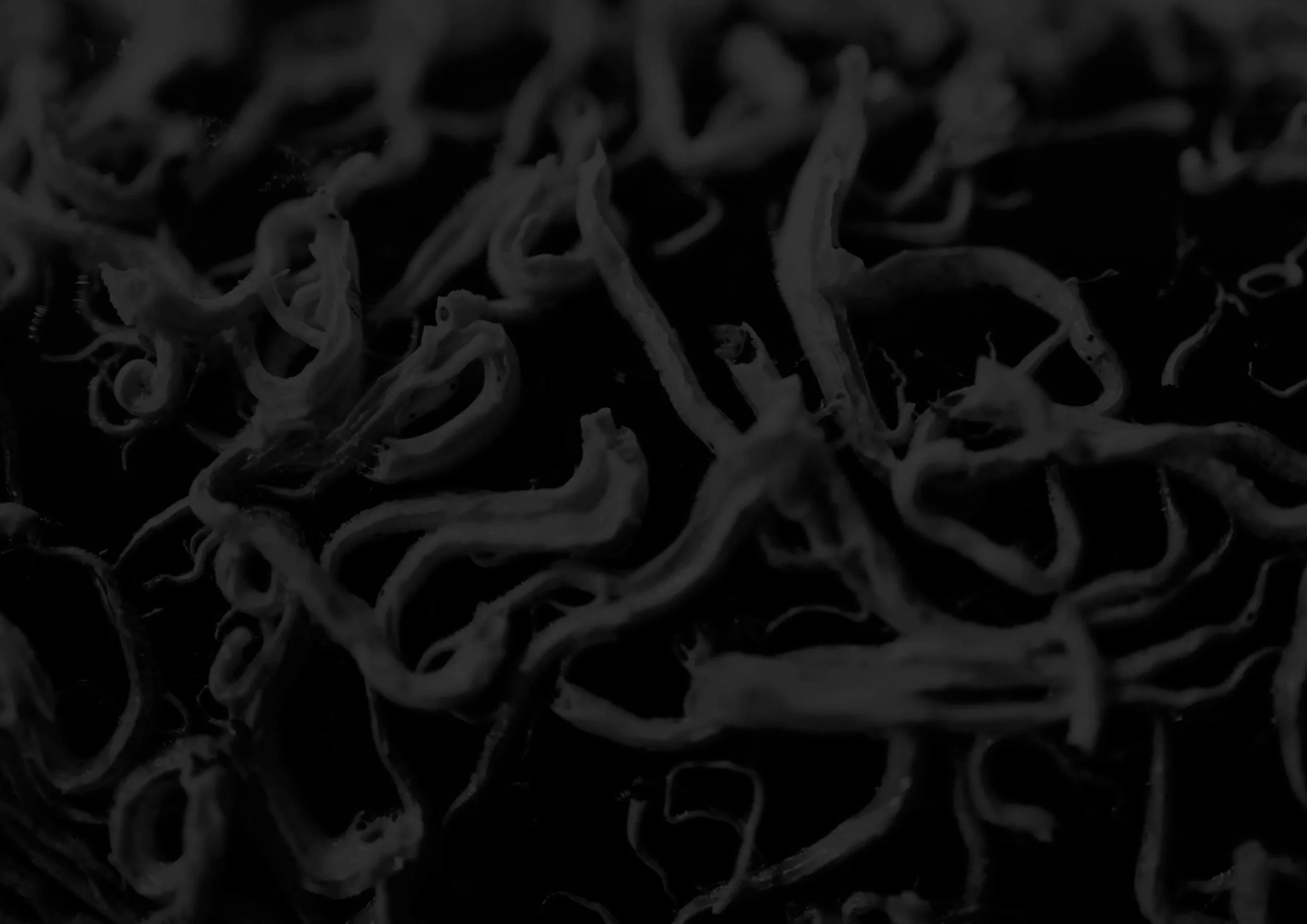
The so-called corals that form on the bottles are in fact mostly little worms that clean the bottom of the sea and try to turn foreign objects thrown into the sea into stone. This biodiversity in our cellar enables us to produce these state-of-the-art bottle designs.
what are the encrustations on the bottle?
2
The bottles are fully sealed using a 100% organic beeswax. Prior to its release on the market, we remove the seal from the top of the bottle, inspect it to make sure everything is in order, and then reseal it with a differently colored wax so we are sure that what you are drinking is perfectly safe.
Are the bottles fully sealed or does the sea come in contact with the wine?
3
The length of the aging is dependent entirely on the wine. Since no wine is the same, we age wine for as long as it take for it to change its color and taste. This process most often takes 8-14 months, with 8 for simpler wines and 14 months for more structured wines. Wines are put roughly 100 feet below the surface.
for how long and how deep are the wines aged under the sea?
4
how does sea aging work?
5
The ageing environment of the wine is both perfect and imperfect in the same time. On one side, the bottles age in the absence of light, complete silence and constant temperature, and on the other side they are exposed to constant pressure of the sea and the vibrations of the sea current. We developed special cages that result in minimum contact between bottles and the holders, thus ensuring the sea flowing in between the bottles and maximum exposure to these conditions.